
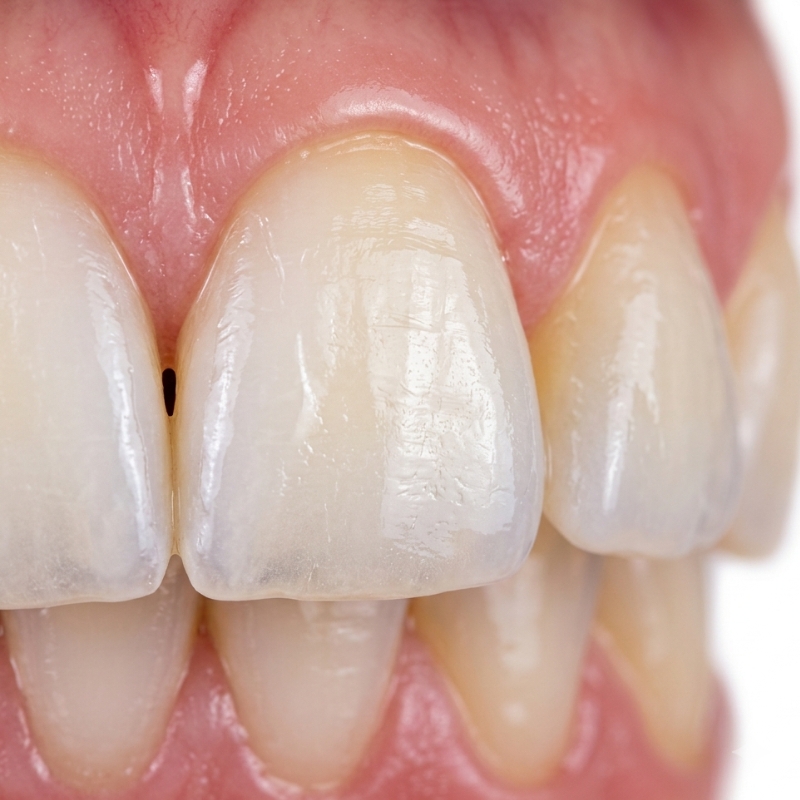
Brushing morning and night is non-negotiable, yet the mirror keeps showing a yellowish smile. If that sounds familiar, you are not alone. Many Blue Mountains locals brush diligently but still feel their teeth look dull. Daily cleaning removes fresh plaque, but it cannot reverse every type of stain or colour change. Understanding what brushing can and cannot achieve is the first step toward a brighter, healthier smile – and toward choosing effective whitening treatments for teeth when home care is not enough.
Tooth Colour 101: What Healthy Enamel Really Looks Like
Enamel, the outer shell of each tooth, is naturally translucent. The layer underneath (dentine) has a warmer, yellowish hue. When enamel is thick and light reflects well, teeth appear whiter. As enamel thins or stains build up, the underlying dentine shows through. Brushing removes plaque and some surface pigments, but it cannot thicken enamel or lift pigments embedded inside it.
Key points:
• Natural tooth shades range from grey-white to yellow-white – pure paper white is rare without cosmetic help.
• Tooth colour changes are categorised as extrinsic (surface) or intrinsic (internal).
• Identifying which type you have guides the right solution.
Comparing Extrinsic vs Intrinsic Stains
A quick reference table below highlights why some stains shrug off toothpaste, while others resist even the most meticulous brushing.
| Stain Type | Where It Forms | Typical Causes | Can Daily Brushing Remove It? | Next Step if Colour Persists |
| Extrinsic (surface) | On enamel surface | Coffee, tea, red wine, dark sauces, tobacco, poor plaque control | Partially – mild stains lighten, deeper ones linger | Scale and polish, whitening toothpaste, professional bleaching |
| Intrinsic (internal) | Within enamel or dentine | Ageing, trauma, certain antibiotics, excessive fluoride, genetics | No – brushing cannot reach internal pigments | In-chair or take-home whitening, veneers, micro-abrasion for local spots |
Simply put, if stains sit on top of enamel, polishing them away is possible. If they live inside the tooth structure, a chemical whitening agent or covering restoration is needed.
Everyday Habits That Leave Surface Pigments Behind
A spotless brushing record may still lose against lifestyle factors that erode enamel daily. Below are the most common culprits in the Blue Mountains and how to soften their impact.
Coffee, Tea and Red Wine
Australia’s cool mountain mornings pair perfectly with a flat white, black tea or shiraz by the fire. Unfortunately, these drinks contain intense chromogens – colour-producing molecules that cling to enamel pores. Switching to lighter roasts, adding milk (which binds some pigments) and alternating with water sips can cut down staining without sacrificing your favourite brew.
Tobacco in Any Form
Cigarettes, roll-your-owns and even smokeless tobacco leave tar and nicotine deposits that darken quickly. No toothpaste can out-scrub persistent smoking stains. Quitting or reducing use, then scheduling a scale and polish, is the fastest route back to a lighter shade.
Deep-Coloured Sauces and Berries
Soy sauce, balsamic vinegar, beetroot and blueberries support a tasty, antioxidant-rich diet but can tint enamel. Rinsing or chewing sugar-free gum straight after meals stimulates saliva flow and lowers pigment contact time.
Not Flossing or Replacing Your Brush
Plaque traps pigments. Leaving it between teeth or using a frayed brush head lets colours lock in deeper. Replace brushes every three months and floss nightly; mechanical removal of plaque films reduces surface staining by itself.
Intrinsic Factors Brushing Cannot Control
If lifestyle tweaks do not shift the shade, intrinsic influences may be at play.
Ageing and Enamel Thinning
From the late 30s onward, enamel slowly wears, revealing more dentine. No toothpaste can rebuild lost thickness. Professional whitening can lighten dentine, and enamel-strengthening gels help maximise remaining translucency.
Childhood or Ongoing Antibiotic Use
Tetracycline and similar drugs can embed in forming teeth, creating grey or brown banding. These deep stains respond to extended, dentist-supervised whitening but may ultimately need veneers if colour variation is severe.
Fluorosis from Very High Fluoride Exposure
Excessive fluoride during tooth development can leave white, yellow or brown patches. Mild cases may improve with micro-abrasion and supervised bleaching. Severe pitting often requires composite or porcelain coverage.
Tooth Trauma and Internal Bleeding
A knock to a front tooth can break blood vessels inside it. Iron compounds seep into dentine, turning it grey. A dentist must rule out nerve damage first; internal bleaching after root canal therapy can often restore colour.
Common Brushing Mistakes That Leave Teeth Dull
You might brush daily, but technique matters.
- Brushing Too Hard
Hard scrubbing erodes enamel faster, exposing yellower dentine. - Rushing the Two-Minute Rule
Many adults spend 45 seconds tops. Use an electric brush with a timer or play a short song to hit the full two minutes. - Ignoring Gumline Angles
Stains collect near the gumline. Tilt the bristles 45 degrees into the junction for better pigment removal. - Skipping Night-Time Fluoride Paste
Evening brush-through with fluoride strengthens enamel overnight, making it less porous to pigments the next day.
Signs It Is Time to Look Beyond Daily Brushing
Surface tweaks have limits. Consider professional input if:
• Yellowing worsens even after cutting back on chromogenic foods.
• One or two teeth change colour faster than the rest.
• You notice brown or grey bands that do not polish off.
• You are curious whether claims in the media stack up – our post on common teeth whitening myths breaks them down further.
A dental assessment confirms whether whitening, micro-abrasion, veneers or simple cleaning suits your situation.
Keeping Your Smile Brighter Between Dental Visits
Below are low-effort, dentist-approved habits to slow staining and support enamel strength.
- Drink Stainers Through a Straw
It reduces fluid contact with front teeth. - Finish Meals with Crunchy Veggies
Celery, carrots and apples scrub surfaces slightly and boost saliva flow. - Rinse with Water After Pigmented Drinks
Swish for ten seconds to dislodge chromogens. - Use a Soft Electric Brush with Whitening Paste
Abrasive index should remain below 100; your dentist can recommend brands. - Schedule a Professional Clean Every Six Months
Scaling removes hardened plaque (calculus) that traps stains.
Quick Self-Check: Is Your Yellowing Extrinsic or Intrinsic?
• Can you scratch off a thin film with your fingernail? Likely extrinsic.
• Has colour changed gradually across all teeth? Ageing dentine may dominate.
• Is a single tooth noticeably darker? An intrinsic cause such as trauma is likely.
This simple guide is not a formal diagnosis, but it helps you decide whether lifestyle tweaks or professional whitening is the logical next step.
Frequently Asked Questions
1. Can whitening toothpaste replace professional whitening?
Whitening pastes help remove fresh surface stains but cannot change the natural shade of dentine. If intrinsic discolouration is present, in-chair or dentist-supervised take-home kits deliver stronger, safer results.
2. Are electric toothbrushes better for stain removal than manual brushes?
Yes, most oscillating or sonic brushes provide more consistent pressure and higher brush-stroke counts, lifting plaque films that hold pigments. Technique still matters: guide the head slowly across every surface for two minutes.
3. Will cutting out coffee completely solve yellow teeth?
Reducing coffee helps, but colour often stems from multiple sources, including natural ageing. Combine moderation with good oral hygiene and periodic professional cleaning for noticeable improvement.
4. How long after whitening can stains return?
Results vary, but many patients enjoy a brighter shade for one to three years. Diet, smoking, and enamel thickness influence longevity. Regular cleans and occasional top-up trays can prolong brightness.
5. Is whitening safe for sensitive teeth?
When supervised by a dentist who tailors gel strength and exposure time, whitening is generally safe. Desensitising agents like potassium nitrate and fluoride help reduce post-treatment zing. Always mention any history of sensitivity before starting.
A Brighter Outlook
Daily brushing is fundamental, yet it is only part of the colour story. Understanding whether stains sit on the surface or inside enamel guides smarter choices, from diet tweaks to professional whitening. If you have ruled out lifestyle culprits and technique errors but still see yellowing, a dental consultation can clarify the cause and outline safe, effective options.