

You’ve probably heard of dental implants; maybe a mate has them, or your dentist brought them up during a check-up. Sounds promising—but what does the process really involve? It’s easy to feel unsure. A guide to dental implants isn’t about fluff; it’s about helping you make the kind of decision that doesn’t come with regrets. Blue Mountains Dental & Implant Centre offers a practical guide to dental implants that helps patients understand what to expect without the hard sell. This article explores how the right kind of info can clear your path and help you feel more confident in your choice.
What challenges do patients face when exploring dental implants?
The idea of getting implants is often appealing. A permanent fix, better than dentures… right? But when you dig in, it can feel like stepping into a maze. Here are the common difficulties faced by patients early on:
- Unsure if implants work with their current oral health.
- Confused about the long-term costs versus other options.
- Clueless on healing time, or what “surgery” actually involves.
- Not knowing what to ask their dentist—or if they’re asking the right things at all.
The trouble isn’t that people don’t care. It’s that they’re trying to make a serious choice with half the picture. One patient might have read three different timelines for recovery. Another might be getting advice from a cousin who had implants overseas. No wonder cost gets misunderstood, or expectations get skewed. And without real clarity, it’s hard to move forward.
That’s why it helps to find reliable dental implant solutions for confident and long-lasting smiles early in your research. When you understand what’s involved and what’s possible, the decision becomes less about stress and more about taking control. Keep in mind, not everyone’s a suitable candidate for implants. Things like bone loss, uncontrolled diabetes, or smoking habits can affect whether you’re eligible. That’s why that first consult matters—it helps lay all the cards on the table.
Which concerns make people hesitate about implant surgery?
Let’s be honest—“surgery” makes people nervous. Doesn’t matter if it’s in your mouth or your toe; it’s surgery. For most Australians, that word alone is enough to put the brakes on, no matter how great the outcome sounds. Here are the key concerns that often make patients pause:

Will it hurt more than they’re letting on?
- What if something goes wrong under the knife?
- How long am I going to be out of action?
- Do I need extra work done, like bone grafts?
These aren’t silly questions. They’re fair. The issue is, when they go unanswered—or answered with vague reassurances—people freeze. And rightly so. On top of that, there are some real risks—like infection, nerve damage, or implant failure. They’re not common, but it’s important you know they exist so you can ask the right questions.
Why does a lack of clear information cause confusion about implants?
Ever tried researching a medical procedure online? It’s like ten tabs open and you’re still not sure who to trust. That’s exactly what happens with dental implants. Here are the ways poor information complicates your decision:
- Pages that sugar-coat or skim the tough stuff.
- No clue what’s included in the cost.
- Overlapping terms—implant, crown, post, abutment—what’s what?
- Contradictory recovery timelines that don’t match real patient stories.
So, you start second-guessing everything. Even the good info gets lost in the noise. Some folks will even cancel appointments just to avoid the overwhelm. What turns things around is straight talk—ideally from your own dental team. When everything’s explained clearly, with your case in mind, the fog lifts. Suddenly, the decision doesn’t feel so massive anymore.
What steps are involved in the dental implant procedure?
The implant process isn’t a single event; it’s more like a series of checkpoints. Knowing these ahead of time gives you a sense of control. The steps usually look like this:
- First comes the assessment: scans, records, and a chat about whether your jawbone can support an implant.
- Surgery follows, where a titanium post is placed into the jawbone and left to heal.
- While healing happens, you may wear a temporary crown so your smile isn’t left with a gap.
- Once healing’s complete, the permanent crown or bridge is attached, and you’re back to eating and smiling normally.
| Step | Description | Average Timeframe |
| Assessment | Scans, records, and consultation | 1–2 appointments |
| Surgery | Titanium implant placement | 1–2 hours |
| Healing | Bone integration with implant | 3–6 months |
| Final Crown | Permanent restoration fitted | 1 appointment |
There’s a rhythm to it. No rushing. And while it might sound like a big job, you’re not out of commission the whole time. One thing that’s often overlooked? Ongoing care. It’s not hard, but you’ve got to know what to do. That’s where understanding the best methods to maintain dental implants long term plays a massive role in keeping that smile strong.
How does a detailed guide to dental implants simplify treatment choices?
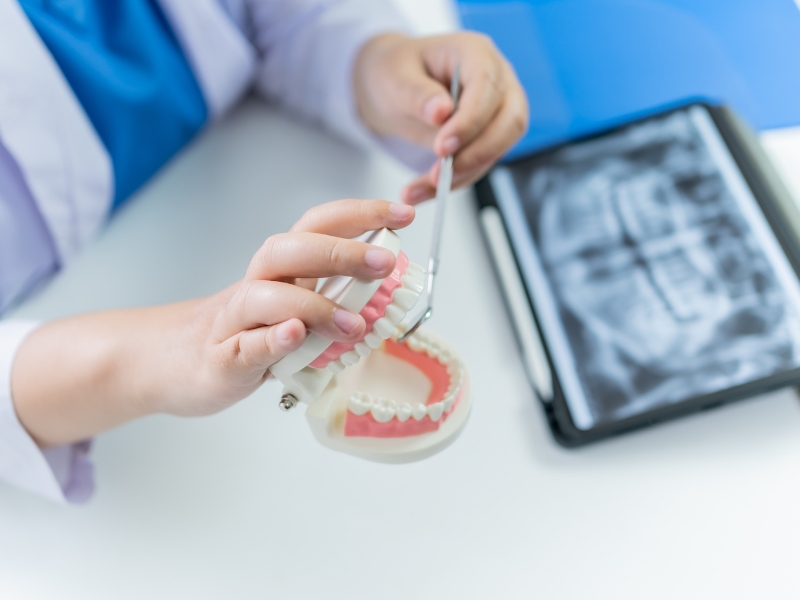
Imagine walking into your dentist’s office already knowing what you want to ask. You’re not guessing; you’re checking. That’s what a good guide can do—it puts you in the driver’s seat. Here are the ways a guide streamlines your decision-making process:
- Helps you narrow down options that match your lifestyle.
- Cuts through jargon so you don’t need a medical dictionary.
- Gives you an idea of costs, timing, and what’s realistic.
- Makes it easier to compare pros and cons—without guesswork.
It also points you toward long-term thinking. Not just “will this fix my tooth?” but “how long will this fix last?” That’s where things like factors that affect the lifespan of dental implants start to matter more than the initial appointment. A little clarity goes a long way. And when you’ve got it, everything that comes after—appointments, recovery, follow-ups—feels that bit easier.
In what ways can a professional guide to dental implants support your journey?
Not all guides are created equal. Some feel like they were written for a textbook. Others? They’re useful, down-to-earth, and written with real patients in mind—like you. Here are the benefits of using a clinic-backed implant guide:
- They’re built around how your local dentist does things.
- The steps reflect the tools and timelines actually used in your area.
- Recovery advice is realistic—no fluff, just what you need.
- You get tips that actually apply to your body, not just “the average patient.”
And when a guide comes from a dental clinic you trust, it shows you the roadmap from start to finish. That’s massive for reducing stress.
Helpful guides often reflect trusted advice like understanding dental procedures and their benefits, which keeps everything aligned with real-world practices—not just theories.
Final thoughts on using a guide to dental implants
This isn’t a small decision. But it doesn’t need to be scary, either. Having a straightforward guide to dental implants gives you the insight to make decisions without second-guessing everything. You’re not expected to become a dental expert overnight. What helps—especially if you’re navigating options in Sydney—is having the right info, in the right tone, when you’re ready to hear it. A guide helps you plan, prep, and feel supported—not pushed. If you’re weighing up your next step, it might be time to explore how Blue Mountains Dental & Implant Centre supports long-term oral health.