
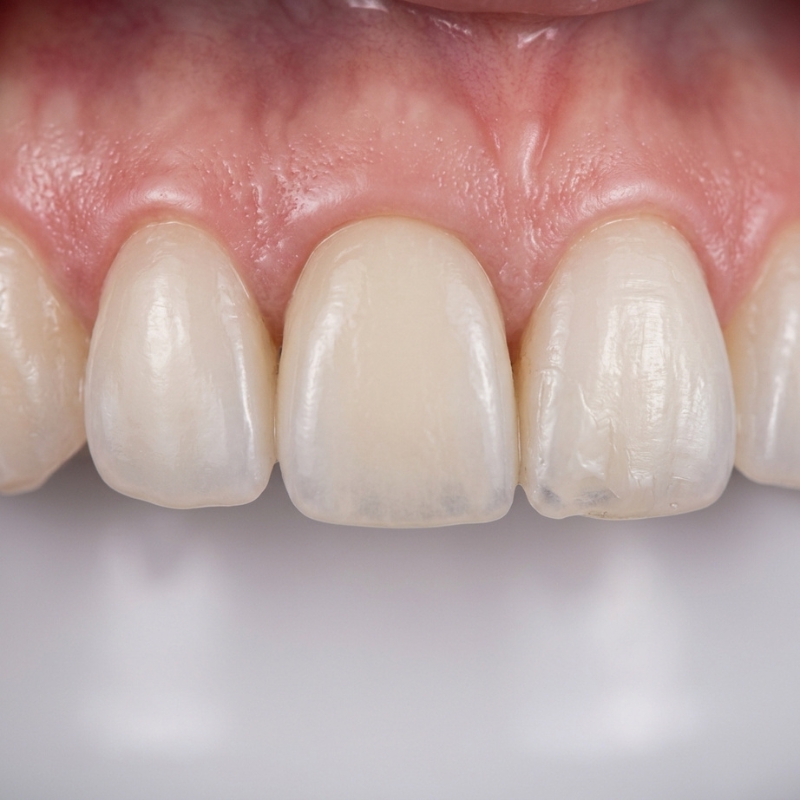
If you’d like to improve a chipped, discoloured or uneven smile, you’ve probably come across veneers, crowns and composite bonding, and wondered which one you actually need. They can look similar in the results they achieve, but they work quite differently. At Blue Mountains Dental & Implant Centre in Wentworth Falls, we offer crowns, bridges and veneers and other cosmetic dentistry for patients across the region, and this guide compares all three clearly on what they do, how long they last and what they cost, so you can have an informed conversation with your dentist.
| Quick answer
Veneers, crowns and composite bonding all improve how a tooth looks, but they solve different problems. Veneers reshape the front surface of a tooth, crowns cover a whole damaged tooth, and composite bonding is a lower-cost same-day repair. The right choice depends on how much tooth structure needs support and your budget, and a dentist can advise after an exam. |
What is each option, actually?
The three options differ mainly in how much of the tooth they cover and what problems they’re suited to. Here’s a plain comparison:
| Option | What it is | Best suited to |
| Composite bonding | Tooth-coloured resin shaped onto the tooth and set, usually in one visit | Small chips, gaps and minor reshaping |
| Veneers | Thin shells (porcelain or composite) bonded to the front of the tooth | Discolouration, chips, gaps and cosmetic reshaping |
| Crown | A cap that covers the whole tooth, restoring its shape and strength | Heavily damaged, weakened or root-canal-treated teeth |
In short, bonding is the lightest-touch, most economical option and is often reversible; veneers reshape the visible front surface for a broader cosmetic change; and a crown covers and protects a whole tooth that needs structural support, not just a cosmetic lift. The more damaged or weakened a tooth is, the more coverage it usually needs, which is the thread running through the choice. A dentist can only advise which suits you after examining the tooth and understanding what you want to achieve, because the right answer depends on the condition of the tooth as much as on your goals.
Porcelain veneers vs composite veneers
If veneers are the direction you’re leaning, there’s a further choice between porcelain and composite, and they involve real trade-offs. Composite veneers are made from tooth-coloured resin applied directly to the tooth, often in a single visit, which makes them the lower-cost option and usually the more conservative one, as they typically need less or no tooth preparation. They look good, though they’re more prone to staining and chipping over time and generally don’t last as long. Porcelain veneers are thin, custom-made ceramic shells crafted in a lab and bonded to the tooth over a couple of visits. They cost more, but porcelain is highly stain-resistant and durable, tends to look very natural because of how it reflects light, and generally lasts longer. Neither is simply better; composite is the more affordable, quicker, conservative choice, while porcelain is the more durable, stain-resistant, longer-lasting investment. The right one depends on your budget, how many teeth you’re treating, and how you weigh upfront cost against longevity, which is worth discussing openly at a consultation.
When is a crown the better choice?
Sometimes a tooth needs more than a cosmetic improvement to the front surface, and that’s where a crown comes in. A crown covers the entire tooth, so it restores both appearance and strength, which makes it the right choice when a tooth is structurally compromised rather than just cosmetically imperfect. Common situations include a heavily decayed or broken tooth where too little healthy structure remains for a filling or veneer; a tooth that has had root canal treatment, which can become brittle and benefits from the full protection a crown provides; and a cracked or weakened tooth that needs holding together. Because it wraps the whole tooth, a crown protects it from further damage in a way a veneer or bonding cannot. The trade-off is that placing a crown involves preparing more of the tooth. So the rule of thumb is simple: if the tooth mainly needs to look better, a veneer or bonding may be enough, but if it needs to be strengthened and protected, a crown is usually the better choice. Your dentist will advise based on how much healthy tooth remains.
What are the indicative costs and how long does each last?
Cost and lifespan tend to track with how much work is involved, and both are worth weighing together. As an indicative national guide:
| Option | Indicative national cost (per tooth) | Typical lifespan |
| Composite bonding | $300 to $800 | Around 5 to 7 years with care |
| Composite veneers | $400 to $900 | Around 5 to 7 years with care |
| Porcelain veneers | $1,500 to $2,500+ | Around 10 to 15+ years with care |
| Crown | $1,500 to $2,500+ | Around 10 to 15+ years with care |
Indicative national ranges only, not a quote from this practice. Prices vary by case, and your exact cost is confirmed at an in-person assessment.
Lifespans are general and depend heavily on care, habits and the tooth involved; no result can be guaranteed. The pattern is that the more affordable options, bonding and composite veneers, generally need replacing sooner, while porcelain veneers and crowns cost more upfront but tend to last longer, which can make them better value over time for the right tooth. Weighing upfront cost against how long each lasts is central to choosing well.
How to choose: questions to ask your dentist
The best way to land on the right option is to ask your dentist a few clear questions at your consultation:
- Given the condition of this tooth, does it need strengthening or just a cosmetic improvement?
- Which options are suitable for me, and which would you recommend and why?
- How much of my natural tooth needs to be prepared or removed for each option?
- What’s the difference in cost and expected lifespan between the options you’re suggesting?
- Should I consider whitening my other teeth first, so everything matches?
That last point matters, because tooth-coloured restorations are matched to your teeth at the time they’re made and don’t whiten later, so many people choose professional teeth whitening before cosmetic work so the shade is set to a brighter baseline. Asking these questions helps you understand not just what’s possible, but what’s right for your teeth and your budget, so you leave with a plan you’re confident in.
Frequently asked questions
Do veneers ruin your natural teeth?
Not when done appropriately. Composite veneers are often conservative and sometimes reversible, needing little or no tooth preparation. Porcelain veneers usually involve removing a thin layer of enamel, which is permanent, so the tooth will always need a covering afterwards. A dentist will explain how much preparation each option needs so you can make an informed choice.
How long do composite veneers last vs porcelain?
Composite veneers generally last around five to seven years with good care, while porcelain veneers often last ten to fifteen years or more, as porcelain is more durable and stain-resistant. Both depend heavily on your oral hygiene and habits, and no lifespan can be guaranteed. Porcelain costs more upfront but tends to last longer, which affects long-term value.
Is bonding cheaper than veneers?
Yes, composite bonding is generally the most economical of the three options and can often be completed in a single visit. It’s well suited to small chips, gaps and minor reshaping. For more extensive cosmetic changes or greater durability, veneers or crowns may be more appropriate, so the lowest cost isn’t always the best fit for what you want to achieve.
Can you whiten teeth before veneers?
Yes, and it’s often recommended. Because veneers, crowns and bonding are matched to your tooth colour when they’re made and don’t change shade afterwards, whitening your natural teeth first lets you set a brighter baseline that the restorations are then matched to. Your dentist can advise on the best order and timing for whitening and cosmetic work.
Final thoughts
Veneers, crowns and composite bonding each solve a different problem: bonding for small, economical repairs, veneers for reshaping the visible surface, and crowns for teeth that need strengthening and protection. The right choice depends on how much support the tooth needs, how long you want the result to last, and your budget, so it’s a decision best made with a dentist who can examine the tooth. To explore your options, book a cosmetic consultation for crowns, bridges and veneers at Blue Mountains Dental & Implant Centre.
| Book with Blue Mountains Dental & Implant Centre
Ready to improve your smile? Book a cosmetic consultation at Blue Mountains Dental & Implant Centre. Call 02 4757 3497. |