
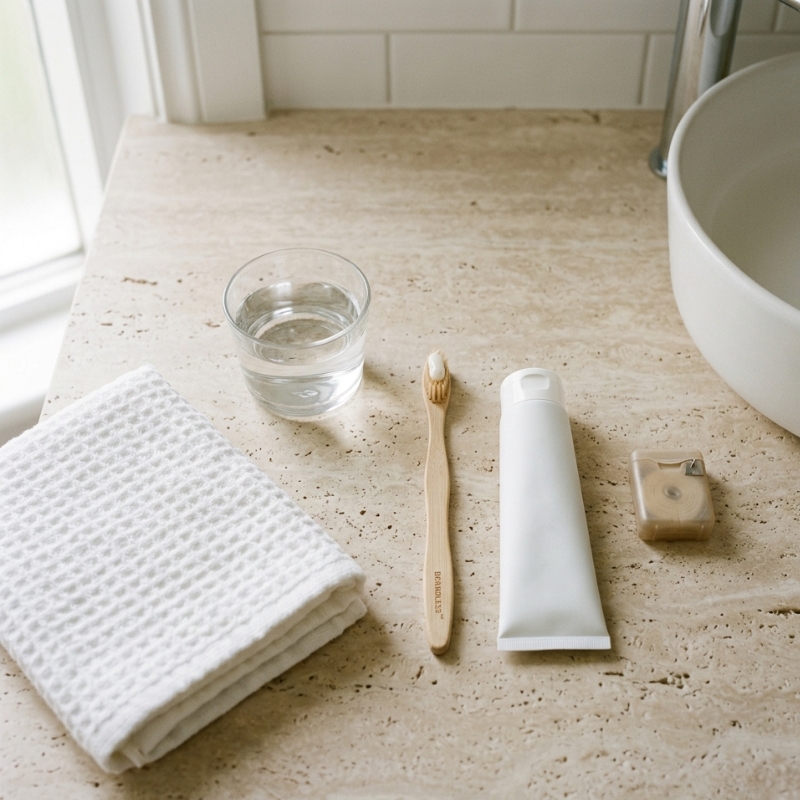
If your teeth are sensitive, the internet’s “how do you whiten teeth naturally” advice can feel like a trap. The loudest tips often involve scrubbing harder, using abrasive powders, or trying strong products that can spike sensitivity fast.
The good news is you can often make teeth look noticeably brighter at home without taking risks — but the goal is different. For sensitive teeth, the safest approach is to:
- reduce and prevent surface stains
- strengthen enamel and calm sensitivity
- Avoid abrasion and acid exposure that can make teeth look yellower over time
This guide is written for Sydney conditions (think coffee, tea, sparkling water, red wine, and busy routines) and focuses on enamel-safe changes you can start today.
First, why do sensitive teeth often look “more yellow”?
Sensitivity and colour are linked more often than people realise. Here are the most common reasons teeth can look yellower when they’re also sensitive.
Surface stains build up faster when enamel is compromised
If enamel is thinning (often from brushing too hard, acid exposure, or grinding), the surface can become rougher. Rough surfaces hold onto pigments from coffee, tea, curry, red wine and tobacco more easily.
Dentine shows through more
Enamel is naturally translucent. Under it sits dentine, which is naturally more yellow. When enamel gets thinner, the underlying dentine colour shows through more — and sensitivity tends to increase because dentine has tiny tubules that transmit sensation.
Gum recession exposes root surfaces
Roots don’t have the same enamel coverage. Exposed root surfaces can look darker/yellower and are far more sensitive, especially to cold air and brushing.
Dry mouth and plaque can change how light reflects
If you breathe through your mouth at night, take certain medications, or sip coffee all day, saliva protection drops. That can increase plaque build-up and staining, making teeth look duller.
Are yellow teeth always stains?
Not always. Some yellowing is surface stain (extrinsic) and can improve with gentle stain control. Other yellowing is a deeper colour (intrinsic) from enamel thinning, ageing, trauma, or certain medications, and home care can only do so much.
A safe at-home plan that works with sensitivity (not against it)
If you do one thing, follow this order:
- Settle sensitivity first
- Reduce new stains
- Polish away surface dullness gently
Here’s a practical plan most people can follow for 2–4 weeks.
Step 1: Switch to a sensitivity-first routine for 14 days
When teeth are “zappy”, people often brush harder to feel clean, which backfires. A two-week reset helps calm sensitivity so you can make progress on colour safely.
Use a soft toothbrush and lighten your pressure
- Choose a soft or extra-soft brush.
- Aim for gentle, small circles at the gumline.
- If your brush splays quickly, you’re pressing too hard.
A simple test: hold the brush with your fingertips rather than a fist. You want to sweep plaque away, not scrub enamel.
Choose a desensitising toothpaste and commit to it
Look for a sensitivity toothpaste that contains ingredients commonly used to reduce sensitivity (for example, potassium nitrate or stannous fluoride, depending on the brand). Use it twice daily.
Tip: at night, smear a pea-sized amount over the sensitive areas with a clean finger and spit out — don’t rinse. This leaves more protective ingredients on the teeth while you sleep.
Don’t “chase clean” with harsh mouthwashes
Alcohol-based mouthwashes can feel strong but don’t fix sensitivity. If you like a rinse, pick a gentle, alcohol-free option and don’t use it immediately after brushing, as it can wash away the toothpaste film you want to keep.
Should I stop flossing if my teeth are sensitive?
No — but be gentle. Bleeding gums can make teeth look darker near the gumline. Use floss slowly, or try interdental brushes if they’re comfortable. If bleeding persists beyond a week of gentle daily cleaning, it’s worth getting gum health checked.
Step 2: Reduce the biggest stain drivers without giving up your life
You don’t need to quit coffee to improve tooth colour. You just need to reduce how long pigments sit on your teeth — and avoid combining pigments with acid.
Timing matters more than perfection
If you sip coffee for two hours, that’s two hours of pigment exposure. If you drink it in one sitting, then rinse with water, you’ve dramatically reduced staining risk.
Try this Sydney-friendly approach:
- enjoy coffee in a shorter window (even 20–30 minutes is better)
- follow with water
- avoid brushing for at least 30 minutes afterwards (especially if your drink was acidic)
Watch the “acid + pigment” combos
Acid softens enamel temporarily. Pigment then sticks more easily. Common combos include:
- coffee + citrus
- wine + sparkling water
- kombucha + berries
- sports drinks + coloured lollies
If you have these, rinse with plain water afterwards. For sparkling water lovers: plain sparkling is generally less staining than cola, but it’s still acidic — so timing and rinsing help.
Use a straw for iced drinks
For iced coffee, iced tea, soft drink, or juice, a straw can reduce contact with front teeth.
Does lemon water whiten teeth?
No. It can make teeth look brighter short-term by stripping surface deposits, but it’s acidic and can contribute to enamel erosion. Over time, erosion can make teeth look yellower and feel more sensitive.
Step 3: Choose the right toothpaste if your goal is brighter-looking teeth
For sensitive teeth, the biggest mistake is choosing a highly abrasive “whitening” toothpaste. Abrasives can increase wear and worsen sensitivity, especially around the gumline.
What to look for
- “Sensitive” on the label
- gentle cleaning claims (not “extra scrubbing”)
- fluoride protection (important if enamel is vulnerable)
What to be cautious with
- gritty powders
- charcoal-heavy pastes (can be abrasive)
- “Smoker’s” pastes are designed to scrub aggressively
You can still use a stain-removing toothpaste occasionally, but if sensitivity is active, keep it gentle as your default.
Do whitening toothpastes actually whiten?
Most don’t change your natural tooth shade. They mainly help remove surface stains and prevent new ones, which can make teeth look cleaner and brighter.
Step 4: Improve brightness with safe “optical” wins that don’t hurt
If your teeth are sensitive, “brightness” is often improved by enhancing surface smoothness and removing dull film — not by chasing a dramatic shade jump at home.
Consider a professional cleaning as your baseline
A scale and clean can remove built-up plaque and surface stains that home care can’t shift, especially behind lower front teeth and along the gumline. Many people are surprised how much brighter teeth look after a thorough clean alone — and it’s often kinder for sensitivity than repeated DIY trials.
If you’re planning to go further later, this is also the safest starting point because it helps your dentist identify cracks, decay, gum recession, or exposed dentine that can make brightening uncomfortable.
If you want to understand the range of approaches (and what’s safest when sensitivity is involved), you can learn more about teeth whitening as a helpful next step.
Use a remineralising approach rather than scrubbing
Some products aim to support enamel strength and reduce sensitivity by helping mineral balance on the tooth surface (brand formulas vary). The key is: avoid abrasion, support enamel, and give it time.
Keep your toothbrush and habits consistent
Consistency beats intensity. Gentle twice-daily brushing, daily interdental cleaning, and water rinses after staining drinks will outperform any “hack” in the long run.
Step 5: Be very careful with DIY methods that commonly worsen sensitivity
If your teeth are already sensitive, these are the home methods most likely to cause problems.
Baking soda: sometimes useful, often misused
Baking soda can reduce surface staining for some people, but it’s easy to overdo:
- using it too often
- brushing too hard because it “feels clean”
- combining it with acidic rinses
If you choose to try it, treat it like an occasional polish, not a daily habit — and stop immediately if sensitivity increases.
Charcoal: high risk for sensitive teeth
Charcoal can be abrasive, and it can also irritate gums if particles get trapped. If you already have sensitivity or gum recession, it’s rarely worth the trade-off.
Hydrogen peroxide “rinses”: not a DIY project
Peroxide is used in controlled ways in dentistry, but at-home mixing and rinsing can irritate gums and trigger sensitivity. It can also mask underlying issues (like enamel cracks) that need diagnosis.
Acid “whitening” (lemon, vinegar): avoid
Acid erosion is one of the fastest ways to worsen sensitivity and make teeth look more yellow long-term.
What about whitening strips if I’m sensitive?
Some people tolerate low-strength strips, but sensitivity is common. If you’ve already got sensitivity, it’s usually better to stabilise sensitivity and get an exam first, then discuss safer options. If you do try anything, follow directions strictly, shorten wear time, and stop at the first sign of persistent pain.
A simple 2-week “brighter but gentler” routine
Here’s a realistic routine designed for sensitive teeth.
Morning
- Brush gently with a sensitive toothpaste
- Drink coffee/tea in a shorter window if possible
- Rinse with water afterwards
Midday
- If you snack frequently, choose tooth-friendly options more often (cheese, nuts, crunchy veg)
- Water after staining foods/drinks
Night
- Brush gently with sensitive toothpaste
- Clean between teeth (floss or interdental brushes)
- Smear a small amount of sensitive toothpaste on sensitive areas; spit, don’t rinse
Do this for 14 days before you judge colour. Many people notice:
- less “zing”
- a cleaner, brighter surface appearance
- fewer new stains building up
When should you stop trying to fix colour at home?
This matters most for sensitive teeth. If you push through the wrong symptoms, you can turn a manageable issue into a bigger one.
Stop DIY attempts and get dental advice if you notice:
- Sharp pain from cold, sweet, or brushing that lingers
- sensitivity focused on one tooth (possible crack/decay)
- visible gum recession, notches at the gumline, or “see-through” edges
- dark spots, chips, or rough patches that catch floss
- swelling, bleeding that doesn’t improve, or bad taste
- You’ve tried a gentle routine for 2–4 weeks with no improvement in brightness at all
If you’re curious about safer, supervised pathways (especially when sensitivity is involved), explore teeth whitening options so you understand what’s available and what’s best avoided.
Sydney-specific habits that quietly stain teeth (and easy swaps)
Sydney life has its own staining patterns. If any of these sound like you, small tweaks can help.
“All-day coffee” culture
Swap from constant sipping to set times, then water rinse. Even changing your keep-cup habit can reduce staining.
Sparkling water and flavoured waters
If you drink these often, treat them like an acidic drink:
- keep them to mealtimes
- rinse with water after
- avoid brushing straight after
Weekend red wine
Rinse with water, and consider pairing with food rather than sipping on an empty stomach. Pigment + acid on dry enamel is a stain recipe.
Will a “clean diet” make teeth white?
A lower-stain diet can help prevent new staining, but it won’t change deeper tooth colour. Think “reduce dullness and stains” rather than “change my natural shade”.
How to tell whether yellowing is stain or “true colour”
This quick self-check can help set expectations.
Signs it’s mostly surface stain
- Yellowing is strongest near the gumline or between teeth
- It improves after a professional clean
- It fluctuates with coffee/tea/wine habits
- teeth feel “furry” or dull at times
Signs it’s a more intrinsic colour
- Yellowing looks even across the whole tooth
- Teeth look more yellow as you age
- You have a history of enamel wear, grinding, or erosionThe
- teeth look slightly translucent at the edges
If intrinsic colour is the main issue, home care can still improve brightness by reducing stains and increasing surface smoothness — but changing overall shade usually needs professional guidance.
What to ask your dentist if you’re sensitive and worried about colour
If you decide to get help, keep it practical:
- “Is my sensitivity from enamel wear, gum recession, or something else?”
- “Do I have cracks, decay, or exposed dentine?”
- “Would a clean first improve colour enough?”
- “If I ever do whitening, how can we minimise sensitivity?”
- “What maintenance routine suits my coffee/tea habits?”
If you’d like the “what’s safest for me” answer without trial-and-error, professional teeth whitening may be appropriate once sensitivity causes are assessed and managed.
FAQs
Can I brighten my teeth at home without whitening products?
Yes. For sensitive teeth, the safest improvements often come from removing and preventing surface stains: gentle brushing with a sensitivity toothpaste, daily interdental cleaning, water rinses after staining drinks, and avoiding acidic “hacks”.
Why do my teeth look yellow even though I brush well?
Common reasons include enamel thinning (making dentine show through), gum recession exposing root surfaces, frequent acidic drinks, and surface stains trapped in plaque or rough enamel. Brushing harder can worsen wear and sensitivity.
Is baking soda safe if I have sensitive teeth?
It can be, but it’s easy to overuse and make sensitivity worse. If you try it at all, keep it occasional, use very light pressure, and stop if sensitivity increases.
Does charcoal toothpaste help with yellow teeth?
Charcoal products can be abrasive and may worsen sensitivity or enamel wear, especially near the gumline. If you have sensitivity, it’s usually not worth the risk.
What toothpaste should I use if I want less yellow teeth and less sensitivity?
Start with a sensitivity toothpaste you can tolerate twice daily. If you want extra stain control, consider alternating with a gentle stain-removing paste only if it doesn’t increase sensitivity. If you’re unsure, ask your dentist which options suit your enamel and gums.
Can a dental cleaning make teeth look whiter?
Often, yes. A professional cleaning can remove built-up stains and plaque that home care can’t, especially around the gumline and between teeth. It can be a great first step for sensitive teeth.
When should I see a dentist rather than keep trying at home?
If pain is sharp or lingering, focused on one tooth, or you notice cracks, dark spots, gum recession, or no improvement after 2–4 weeks of a gentle routine, it’s time for an exam.
Is there an Australian source I can read about whitening safety?
Healthdirect Australia has consumer guidance on teeth whitening and general safety considerations: Teeth whitening information from Healthdirect.