
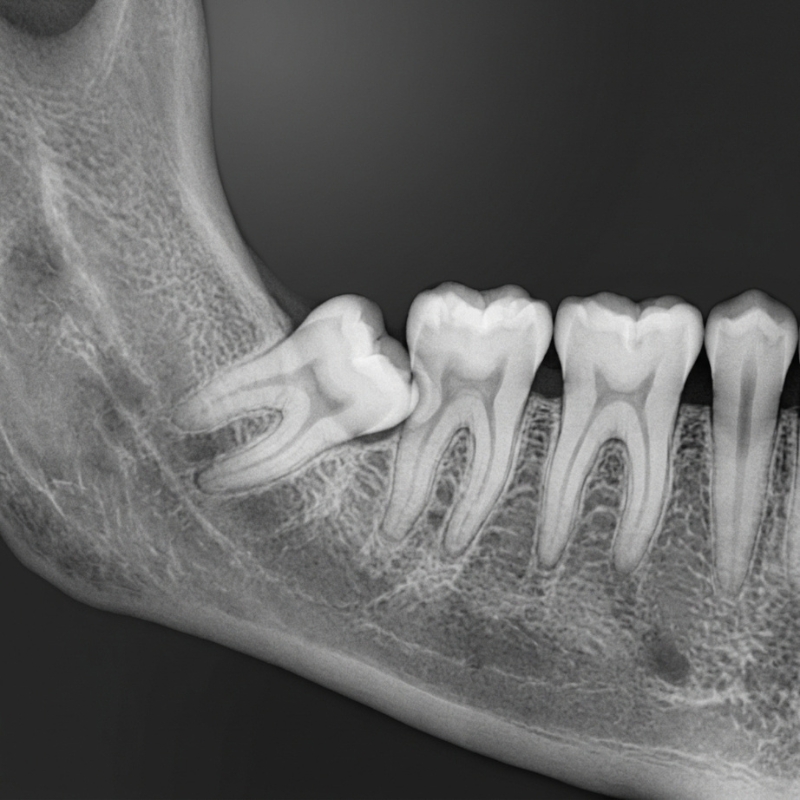
If you or your teenager has been told a wisdom tooth needs to come out, it’s natural to have two worries: what it will cost, and what actually happens. Both are very answerable. At Blue Mountains Dental & Implant Centre in Wentworth Falls, we handle wisdom tooth removal in the Blue Mountains for patients across the region, and this 2026 guide gives you clear indicative national costs, explains why prices differ, and walks you calmly through the procedure and recovery, so you know what to expect and can plan without the anxiety of the unknown.
| Quick answer
In Australia, removing a wisdom tooth generally costs from about $200 to $400 for a simple extraction and roughly $250 to $650+ per tooth for a surgical or impacted removal. The exact price depends on whether the tooth is impacted, how many are removed, and whether sedation is used. A dentist can only confirm your cost after an X-ray and exam. |
Why do wisdom teeth sometimes need to come out?
Wisdom teeth are the last teeth to come through, usually in the late teens or early twenties, and by then there often isn’t enough room for them. That’s the root of most problems. When a wisdom tooth can’t fully emerge, it becomes impacted, meaning it’s stuck against the tooth in front, the jawbone or the gum, which can cause pain, swelling and difficulty cleaning the area. A wisdom tooth pushing against its neighbours can also cause crowding. Because they sit right at the back and are hard to clean, wisdom teeth are prone to decay and to infections and gum problems around a partly erupted tooth. Not every wisdom tooth causes trouble, and some sit happily and never need removing. But when a tooth is impacted, decayed, repeatedly infected or causing crowding, taking it out is often the sensible course to prevent bigger problems down the track. A dentist assesses this with an examination and an X-ray to see the position of the tooth and its roots.
Simple vs surgical extraction, and why cost differs
Not all wisdom-tooth removals are the same, and this is the main reason costs vary. A simple extraction is possible when the tooth has fully come through and can be removed in one piece, much like removing any other tooth, using local anaesthetic. It’s more straightforward, so it sits at the lower end of the cost range. A surgical extraction is needed when the tooth is impacted, still partly or fully below the gum, or has awkward roots. This involves a small incision in the gum, sometimes removing a little bone, and often sectioning the tooth to remove it in pieces. It takes more time, skill and care, which is why it costs more than a simple extraction. The degree of impaction matters too, since a deeply impacted tooth is more involved than one that is only partly covered. Whether sedation is used for comfort also affects the total. This is why the only way to know your cost is an examination and X-ray, which show exactly what each tooth will involve before anything is booked.
What are typical wisdom teeth removal costs in Australia (2026)?
As a general guide, here are the indicative national ranges for wisdom-tooth removal, to help you budget before your assessment:
| Type of removal | Indicative national range | Notes |
| Simple extraction | $200 to $400 per tooth | Fully erupted tooth, removed in one piece |
| Surgical / impacted extraction | $250 to $650+ per tooth | More complex; deeply impacted teeth sit higher |
| Sedation (if used) | Additional cost | Depends on the type of sedation chosen |
| All four at once | Often more cost-effective per tooth | Fewer separate visits and recovery periods |
Indicative national ranges only, not a quote from this practice. Prices vary by case, and your exact cost is confirmed at an in-person assessment.
These are national ballparks, and your figure depends on how many teeth are removed, how impacted they are, and whether sedation is used. Removing all four in one appointment is often more cost-effective per tooth and means a single recovery period, though whether that suits you depends on your case and preferences, which your dentist will discuss with you.
What to expect on the day and during recovery
Knowing the steps ahead of time takes a lot of the worry out of it. On the day, you’ll be made comfortable and the area numbed with local anaesthetic, so you shouldn’t feel pain during the procedure, though you may feel some pressure. If you’re having sedation, that’s arranged beforehand. The dentist then removes the tooth, whether simply or surgically, and places any stitches if needed, and the whole thing is usually over in well under an hour for a single tooth. Afterwards, you’ll bite on gauze to help a clot form, and you’ll be given clear aftercare instructions. Recovery typically involves some swelling and discomfort for the first few days, which is normal and manageable with the pain relief and care your dentist recommends. Most people feel noticeably better within about three to five days, with fuller healing over a couple of weeks. Sticking to soft foods, keeping the area clean and gently rinsing as advised all help. Our detailed wisdom tooth removal aftercare guide walks through the recovery stages, safe foods and what’s normal at each point.
Red flags after extraction
Most recoveries are smooth, but it’s worth knowing the signs that mean you should get in touch. Dry socket, where the protective blood clot is dislodged, typically shows up as increasing rather than easing pain a few days after the extraction, often with a bad taste or odour, and it needs treating, so call your dentist if that happens. Signs of infection to watch for include worsening swelling, throbbing pain, fever or pus. These aren’t common, but they’re easily managed when caught early, so don’t wait it out if something feels wrong. Our guide to the signs of a wisdom tooth abscess after removal explains what to look for and when to seek help.
How do you keep the cost predictable?
The best way to avoid surprises is to start with an assessment and an X-ray, so your dentist can see exactly what each wisdom tooth involves before anything is booked. From there, ask for a written, itemised quote that sets out the cost per tooth, whether the removal is simple or surgical, and any sedation, so you know the full picture upfront rather than piece by piece. It’s also worth asking about doing multiple teeth in one visit if that suits your case, since it can be more cost-effective and means one recovery. As a local Wentworth Falls practice, we’re happy to explain your options and give you a quote you can plan around, so you can decide with confidence and no hidden costs.
Frequently asked questions
Does everyone need their wisdom teeth removed?
No. Many people keep their wisdom teeth for life without any problem, and removal is only recommended when a tooth is impacted, decayed, repeatedly infected, or causing crowding or pain. If your wisdom teeth are healthy, well positioned and easy to clean, there’s often no need to remove them. A dentist assesses this with an exam and X-ray.
Is wisdom tooth removal covered by health insurance?
It often is, at least in part, if you have private health insurance with the relevant dental cover, though the amount varies by policy, level of cover and any waiting periods or limits. Some surgical extractions may fall under different cover. The best approach is to check directly with your health fund what your policy contributes before treatment.
How long is recovery from a surgical extraction?
Most people find the first few days involve some swelling and discomfort, which eases noticeably within about three to five days, with fuller healing over a couple of weeks. A surgical extraction can take a little longer to settle than a simple one. Following your aftercare instructions, resting and eating soft foods all help recovery go smoothly.
Can my regular dentist remove an impacted wisdom tooth or do I need a specialist?
Many general dentists remove impacted wisdom teeth routinely, depending on the complexity and position of the tooth. For more difficult cases, a referral to an oral surgeon may be recommended. An assessment and X-ray show what’s involved, and your dentist will advise honestly whether they can carry out the removal or whether a specialist is the better option.
Final thoughts
Wisdom teeth removal is far less daunting once you know what shapes the cost and what actually happens. Prices depend on whether the tooth is simple or impacted, how many are removed and whether sedation is used, and the procedure itself is quick and comfortable with good aftercare to guide your recovery. To find out exactly what your case involves, book a wisdom-tooth assessment for wisdom tooth removal in the Blue Mountains at Blue Mountains Dental & Implant Centre.
| Book with Blue Mountains Dental & Implant Centre
Told you need a wisdom tooth out? Book a wisdom-tooth assessment at Blue Mountains Dental & Implant Centre. Call 02 4757 3497. |