
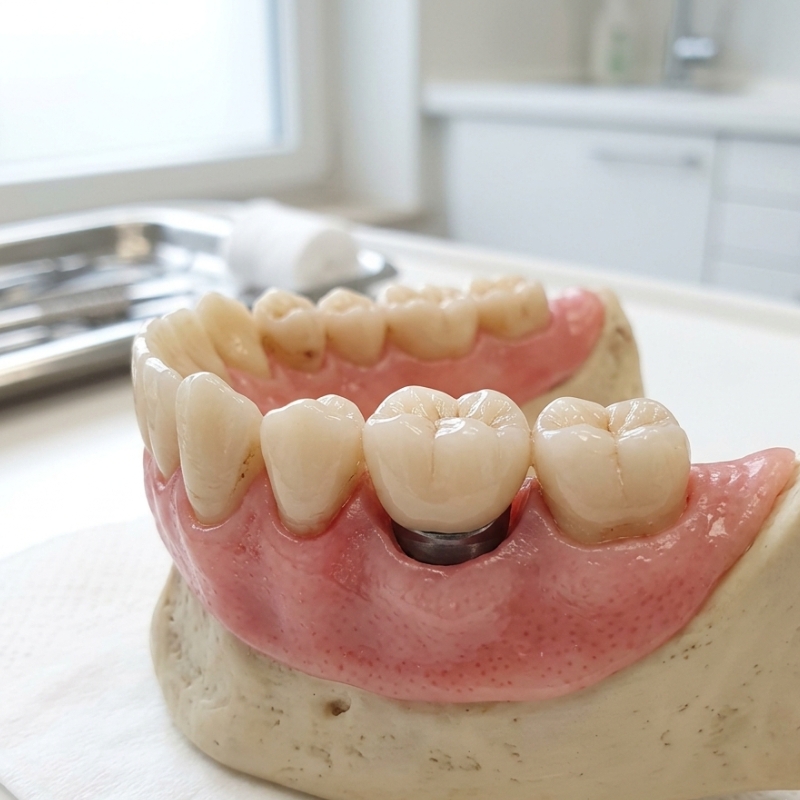
Why Late Implant Failure Happens
Modern implants bond with bone so well that a lot of patients forget they are even there. That does not make them permanent, though. An implant can still fail five, ten or fifteen years on if something disrupts that bond. In Sydney practices the usual causes are long-term gum inflammation, bite stress that never gets addressed, and underlying health changes such as diabetes that slow healing. Keeping up regular checks with the trusted implant dentists who placed or now maintain your restoration is the best way to keep those risks in view, and it helps to know the warning signs yourself as well.
Early failure and late failure do not look the same. Early failure usually shows up within the first few months. Late failure is quieter and slower. Bone resorbs a fraction at a time, the gum recedes, and the tiny bit of movement you first notice while flossing in June can turn into obvious looseness by Christmas if nobody looks at it.
Lifestyle and Health Factors People Overlook
Sydney’s cafe culture is one of its pleasures, but all those flat whites and single-origin espressos leave an acidic film that encourages plaque around an implant crown. Alcohol and nicotine pile on further by cutting blood flow to the bone. And if you have switched to vaping on the assumption that it is harmless, the current research still ties the habit to peri-implant mucositis, which is the early, inflammatory stage of trouble.
Some medications that become more common with age also matter here. Bisphosphonates for osteoporosis and certain antidepressants both slow bone turnover. That does not doom an implant on its own, but it leaves less biological slack if an infection or an overload does take hold. The easiest safeguard is a quick medication review at your annual check-up, so your dentist knows what you are taking.
Mechanical Stress: The Quiet Saboteur
Ordinary chewing rarely troubles a well-placed implant. Problems tend to begin when the forces are off-axis or simply too high. Grinding at night, a new crown that sits a fraction proud, or adding another implant without rebalancing the bite can all overload the titanium post underneath.
| Source of stress | Typical trigger | What can happen over time |
| Bruxism (grinding) | Work stress, sleep apnoea | Micro-cracks in the surrounding bone |
| Uneven crown height | Lab remake, natural tooth wear | Screw loosening, crown fracture |
| Athletic impact | Weekend footy, a cycling mishap | Abutment bending, bone loss |
If you suspect you clench, or you wake with headaches, a custom night guard is a great deal cheaper and easier than dealing with a fractured abutment down the track.
Subtle Warning Signs Worth Acting On
Catching a problem early often means the fix is a simple clean or a bite adjustment rather than removing anything, so it is worth knowing what to look out for.
Persistent metallic taste
A faint, blood-tinged flavour that hangs around after brushing can point to inflamed tissue around the implant. Mild mucositis like this is reversible if it gets cleaned up promptly.
Shadow at the gum line
You might notice a darker tone, or feel a small step where the crown meets the gum. That is often early bone loss starting to expose the abutment surface underneath.
Occasional throbbing after meals
Pain that turns up after chewing tougher food is a sign of micro-movement. A healthy implant should feel no different from a natural tooth.
Food trapping in a new gap
As bone resorbs, a small triangular space can open beside the crown. Flossing harder will not fix that on its own. You will usually need a professional clean and, often, an adjustment to the edge of the crown.
Clicking or tapping sensation
If you can move the crown with your tongue, the internal screw may have worked loose. Left alone, that movement gradually widens the bone channel holding the fixture, which makes things harder to put right.
Practical Steps if Trouble Appears
Not every twinge is a crisis, but time is rarely on your side with this. Ring your dentist in the same week you notice something. A periapical X-ray only takes a few minutes and shows whether the bone underneath is stable. In plenty of cases a guided laser clean or a conservative bone graft is enough to save the site.
For more on the day-to-day side, our post on how long dental implants really last runs through the home routines that Sydney patients tend to find manageable.
At home, it helps to switch to a low-abrasive toothpaste and an interdental brush sized to the implant gap. A chlorhexidine mouthwash can settle minor inflammation over a couple of weeks, but it stains teeth with prolonged use, so keep any course short and check with your dentist first.
When Removal Becomes Inevitable
Now and then the damage has simply gone too far to save. A surgeon will usually start considering removal when:
- bone loss extends beyond half the length of the implant
- the implant is visibly mobile without any instrument
- peri-implantitis persists despite thorough cleaning and antibiotics
Removal itself is done under local anaesthetic, and it is often followed by a small bone graft to preserve the ridge for a future fixture. How long you wait before re-implanting varies. Three months is common once an infection has cleared cleanly, and longer where a systemic condition complicates the healing.
Staying Proactive Through 2026 and Beyond
Implants stay popular in Sydney for a good reason. The success rate is genuinely high, sitting well above 90 per cent after a decade in most studies. The small share that do fail late almost always tell the same story, which is that the warning signs were there and nobody acted on them in time.
Regular maintenance visits, the odd bite-force check and an honest conversation about lifestyle are what close that gap. For general home-care guidance, the Australian Government oral health advice pages point to national resources on things like fluoride, sugar and daily cleaning, and your own dentist can tailor those to your situation.
Treat an implant as the investment it is, with something like the attention you would give a new car or a favourite guitar, and you tip the odds firmly your way.