

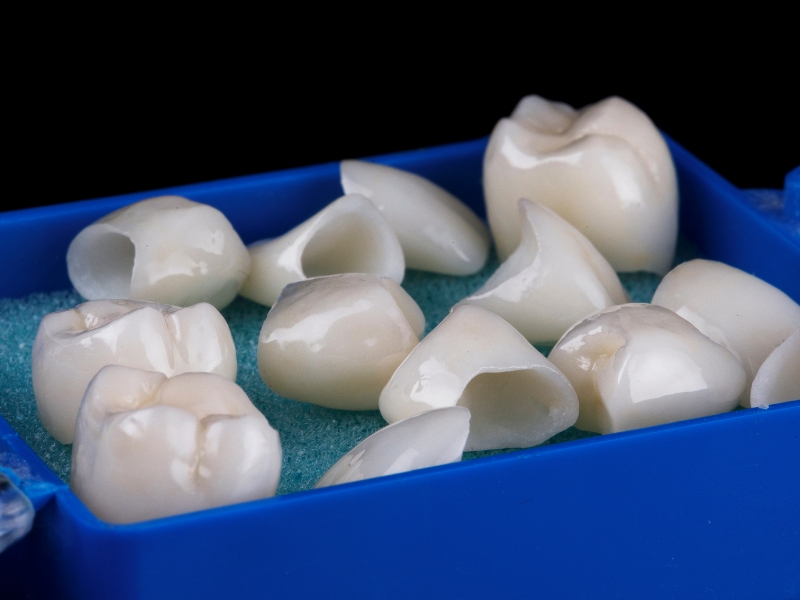
If your dental crown is cracked, loose, or completely dislodged, ignoring it can land you in a world of trouble. While it might be tempting to put it off, especially if the pain seems manageable, delaying emergency dental crown repair can worsen discomfort, damage surrounding teeth, and even risk infection. Crowns are designed to protect vulnerable teeth, and when that barrier is broken, your oral health is exposed to unnecessary risks. This article explores why fast action matters, what can go wrong when you delay, and how prompt repair protects more than just your smile.
Why does delaying emergency dental crown repair increase pain?
Leaving a damaged crown untreated means the underlying tooth is no longer shielded from pressure, temperature, and bacteria. The exposed structure can become extremely sensitive, especially during meals or when drinking cold liquids.
- The exposed dentin beneath the crown is prone to irritation
- Chewing forces can aggravate cracks and trigger sharp pain
- Heat and cold sensitivity often increase with time
- Ongoing exposure raises the risk of pulp infection or abscess
When sensitivity escalates into pain, it’s usually a sign that the nerve inside the tooth is under stress. This stage can sneak up on you. What starts as mild discomfort can evolve into a constant throbbing sensation, especially if infection sets in. Ignoring the issue not only prolongs your suffering, it creates a more complex and costly dental job down the track.
What happens when a dental crown is left damaged?
Damaged crowns compromise the structure of both the crown and the tooth it’s supposed to protect. Without proper sealing, bacteria can seep in and decay the natural tooth beneath. Even if you’re not in pain yet, the situation is far from safe.
- Decay under the crown may progress silently
- Infection can develop inside the tooth’s pulp chamber
- Gum tissue around the crown may become inflamed or recede
- The crown may dislodge entirely, exposing the tooth root
Instead of waiting for symptoms to scream at you, act on early signs of dental problems that shouldn’t be ignored, such as discolouration, odour, or a change in bite. Biting into something crunchy might be the straw that breaks the crown—literally.
Delaying repair leads to more extensive procedures, like root canals or even extractions, when a simple fix could’ve done the trick.
Can a loose crown lead to serious dental complications?
Absolutely. A loose or shifting crown is a weak link in your dental chain. It compromises not just the tooth it’s attached to, but the alignment and health of neighbouring teeth.
- The loose crown may trap food and debris, creating a breeding ground for bacteria
- Shifting crowns can change your bite and cause jaw discomfort
- Infection beneath the crown can spread to the gums and bone
- The movement may accelerate wear on adjacent teeth or opposing molars
In severe cases, bone loss may occur around the affected area, especially if inflammation isn’t addressed. This can destabilise surrounding teeth and lead to more invasive dental treatments later. If your crown wobbles, it’s not something to “wait and see”—it needs fast attention.
When should you see a dentist for emergency dental crown repair?
Some situations require same-day care, while others can wait a day or two. So, how do you tell the difference? If your crown is completely off, cracked, or causing consistent pain, it’s time to act.
Condition | Immediate Action Needed? | Why It Matters |
Crown completely dislodged | Yes | Tooth exposed to damage and decay |
Crown cracked or chipped | Yes | Bacteria may enter through fracture |
Mild discomfort or sensitivity | No—but don’t delay long | Early sign of a larger issue forming |
Crown feels slightly loose | Soon | May fully detach at an inconvenient time |
Even a minor issue can spiral out of control if you bite incorrectly or delay too long. You can avoid that downhill slide by exploring reliable solutions for emergency dental crown repair at the first sign of trouble. Fast intervention usually means a simpler fix.
How can prompt crown repair protect your oral health long-term?
The longer your crown is broken or missing, the more vulnerable your tooth becomes. Prompt repair isn’t just about fixing the crown—it’s about stopping the domino effect that can follow.
- Prevents the need for more invasive procedures like root canals
- Maintains alignment and bite, avoiding jaw strain
- Reduces the risk of infection spreading to nearby teeth or gums
Timely repairs are also far less expensive than corrective treatment. Catching issues early allows for quick, minimally invasive, and affordable treatment. Even if the crown seems “not too bad,” acting now saves future headaches.
Prompt repair also means less time spent in the chair. You’ll walk away with peace of mind, knowing you’ve dodged complications.
What habits should you change to extend your crown’s lifespan?
Crowns are tough but not indestructible. A few everyday habits can dramatically shorten one’s life. If you’ve had an emergency repair before, now’s the time to make a change.
- Avoid chewing ice or hard lollies
- Use a mouthguard if you grind your teeth at night
- Don’t open packaging with your teeth
- Stick to regular dental check-ups to spot early issues
If pain or swelling does strike, focus on effective ways to manage pain during urgent dental situations without putting off a visit. Pain relievers help in the short term—but they’re no substitute for professional care.
Ignoring bad habits puts your crown at risk again, and most dental insurance won’t cover repeated fixes due to negligence.
Is emergency dental crown repair more effective when done early?
Short answer: yes. Crowns are like helmets for your teeth—they only work when intact. Early repair restores protection before complications set in. The earlier the issue is fixed, the less stress on your natural tooth.
- Reduces the likelihood of infection or nerve exposure
- Helps retain more of your natural tooth structure
- Supports ongoing oral health and overall wellness
- Minimises the number of visits and long-term costs
Timely treatment plays a significant role in how good oral health supports overall well-being. There’s a strong link between oral infections and general health issues, including cardiovascular and respiratory conditions. So you’re not just saving a tooth—you might be protecting your long-term health too.
Final thoughts
If you’re unsure whether your crown issue is urgent, don’t leave it to chance. Your teeth work hard every day, so it’s worth returning the favour when they need repair. Whether the damage seems minor or you’re feeling consistent discomfort, early attention makes all the difference.
For a straightforward solution, connect with the team at Blue Mountains Dental & Implant Centre about your dental needs.